Boondocking: Enjoy Freedom, Respect the Rules
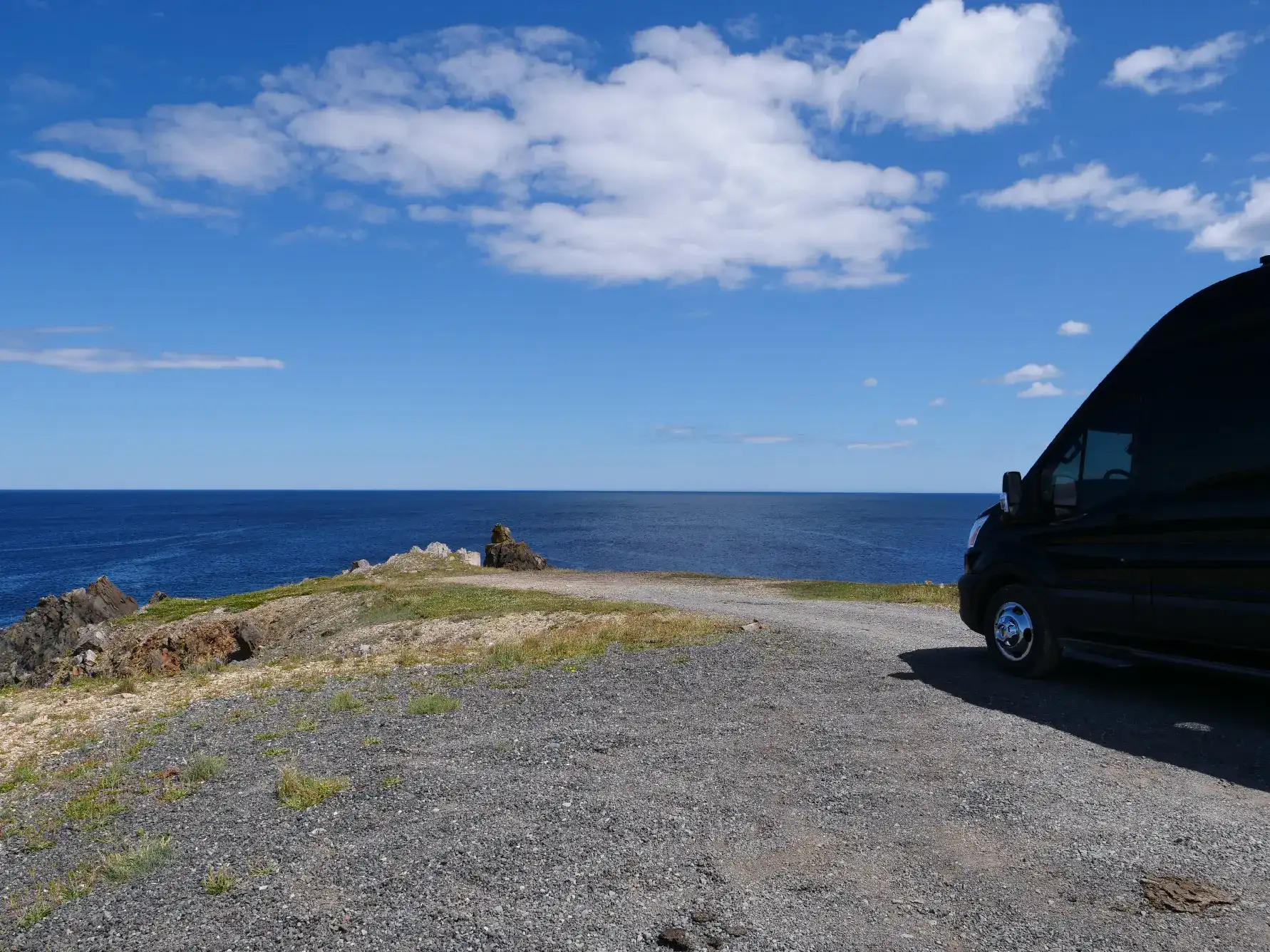


Whether you're driving a Class A, C, B+, or B motorhome, or towing a fifth-wheel or travel trailer, boondocking offers a unique experience of freedom: immersing yourself in nature, far from the bustle of cities and traditional campgrounds. But with that freedom comes an essential responsibility — preserving wild and urban spaces for future generations of campers.
That's why 123Go.Quebec is proposing the Responsible Camper's Charter of Values: seven simple principles, inspired by the best North American practices — including the well-known 7 Principles of Leave No Trace and the Good Neighbor Policy followed by long-term RVers — adapted to our Quebec and Canadian reality.
123Go.Quebec's Charter of Values
So that everyone can keep enjoying boondocking, here are the seven commitments of the responsible camper:
- Know the land and respect the site. Before settling in, find out whether the land is public or private, check municipal regulations, the permitted length of stay, and any restrictions on motorized vehicle access. The absence of a sign doesn't automatically mean a spot is authorized. Favor areas recognized for dispersed camping, and check the 123Go.Quebec map for locations already documented by the community. On private property, always ask permission first.
- Energy self-sufficiency. Favor renewable energy sources like solar panels. Noisy generators disturb the peace of the area and of other campers — limit their use to reasonable hours of the day, and choose a quiet model if you need to use one. Be as self-sufficient as possible — water, electricity, waste management.
- Discretion and good neighborliness. Ideally, arrive in the late afternoon or early evening, and leave early the next morning, before 8 a.m. Respect quiet hours, generally from 10 p.m. to 8 a.m. Avoid setting up bulky gear like slide-outs, awnings, tables, chairs, or barbecues — this creates the impression of a permanent campsite, which is frowned upon on dispersed camping land. Unless otherwise indicated, limit your stay to one or two nights in the same spot, and if you must run a generator, angle your vehicle so the noise doesn't carry toward your neighbors.
- Respect for the environment. Set up on a surface that's already been used (gravel, packed dirt, already-trodden grass) rather than creating a new site in untouched vegetation. Pick up all your trash, even the smallest, like cigarette butts. For wastewater, only empty your tanks at designated dump stations — never on the ground or into a waterway. If you need to wash dishes or yourself outdoors, stay at least 60 meters (200 feet) from any lake or stream. Nature needs to stay clean so we can all keep enjoying it.
- Respect for wildlife. Never approach or feed wild animals — even out of curiosity or kindness, it makes them dependent and often dangerous for the campers who come after you. Store your food and trash in sealed containers, especially in bear country.
- Suitable vehicles and equipment. Boondocking calls for self-sufficient, well-equipped vehicles. Tents, tent trailers, and hybrid trailers with bed extensions aren't ideal for this type of camping, given their lack of self-sufficiency and their more visible, slower-to-pack-up setup.
- Supporting local economies. When you settle near a town or village, check out the local businesses — grocery store, restaurant, gas station. It's a great way to thank the community that tolerates your presence and to contribute to the economy of the regions you visit.
By following this charter, you help preserve our boondocking sites while ensuring a great experience for you and for the campers who come after you.
Boondocking is an adventure in the great outdoors, a freedom worth savoring with respect. Enjoy your freedom while preserving the spaces that make it possible!